
Potato Glycoalkaloids and Factors That Influence Their Tuber Amounts
Webinar Summary
The concern that glycoalkaloids might occasionally spike to unsafe levels is an ongoing concern of breeding programs and the processing and fresh market industry. Over the last decade there have been incidents in Taiwan that involved American companies and in Germany. Both incidents involved heavy regulatory consequences. This talk will cover the latest info about tuber glycoalkaloid content and factors that influence amounts; greening effect, relationship between glycoalkaloids, chlorophyll and carotenoids, efforts to find lines that do not green, molecular regulatory factors, numerous studies showing anti-cancer properties and nutritional impact. Possibly their role in insect resistance. Plant defense and glycoalkaloids will also be discussed.
Webinar Presenters
Moderator: Gustavo Teixeira | University of Idaho
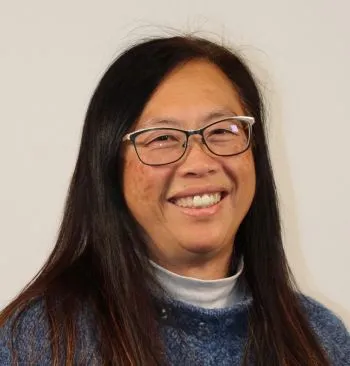
Dr. Helen Tai
Agriculture and Agri-Food Canada (AAFC)
Dr. Helen Tai is a Potato Genetics and Genomics Research Scientist with Agriculture and Agri-Food Canada (AAFC) in Fredericton, New Brunswick, Canada and an adjunct professor at University of New Brunswick, Laval University and Queen’s University in Canada. Dr. Tai’s research is focused on understanding genetic variation underlying traits in potato and Solanum wild relatives using transcriptomics, genomics and metabolomics approaches. She applies this information to developing genome-based methods for selecting improved potato varieties in breeding. Potato traits that Dr. Tai works on include glycoalakoids, pest and pathogen resistance, sexual reproduction, nitrogen use efficiency, and tuber quality.
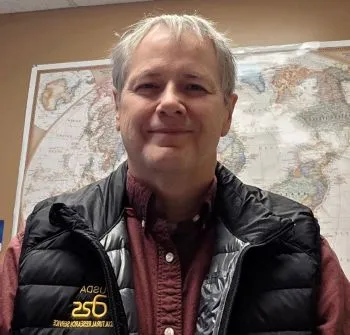
Dr. Roy Navarre
USDA-ARS
Roy Navarre researches molecular potato physiology with the USDA-ARS in Prosser, WA. He has a B.S. from Louisiana State University, a Ph.D. from Oregon State University, and was a postdoc at the Waksman Institute at Rutgers University studying the molecular basis of plant disease resistance. Major interests include developing potatoes, including “baby potatoes,” with high amounts of phytonutrients, and identifying mechanisms that control phytonutrient amounts in potatoes, especially phenylpropanoids, which not only confer a wide range of human health benefits but influence potato stress resistance, flavor and appearance. Another focus is glycoalkaloids, compounds that have anti-cancer properties but negatively impact potato nutritional value if present at too high a concentration. He has been a PAA member since 2001 and served as a Senior Editor for The American Journal of Potato Research for 16 years.
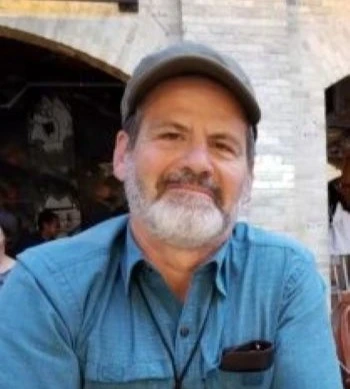
Dr. John Bamberg
National Potato Crop Germplasm Committee (CGC)
Raised on a farm in northern Illinois, John developed an early interest in biology and agriculture. After an undergrad degree in agronomy, he joined Bob Hanneman's program as a student at UW-Madison getting a PhD in the department of Horticulture's Plant Breeding and Genetics major. John "worked his way up" in the Genebank "company" from grad student to Bob's assistant (1985 - 1989), to USDA/ARS project leader stationed at Sturgeon Bay. John has served many years as the representative for potatoes in the national genebank system (NPGS) and as the chair of the national potato crop germplasm committee (CGC). His professional association has centered on PAA, attending 43 annual meetings since 1983, presenting research at nearly every one, serving as Editor in Chief for 17 years, and publishing 91 of his 157 research papers in AJPR. He and wife Ingrid have four grown children and four grandchildren; enjoy hobbies of biking and gardening.

Sastry Jayanty
Colorado State University
Sastry Jayanty is a Professor at Colorado State University specializing in postharvest physiology. He works directly with growers to solve high stakes issues like pressure bruise and storage management and sprout control. His recent work, funded by USDA-NIFA, focuses on a systems approach to identifying sensory quality parameters in French fry potatoes. Beyond storage research, he specializes in the chemistry of health promoting compounds in potatoes and reducing acrylamide formation through vanadium salts and estimating glycoalkaloid in cultivars. His lab at CSU works on tuber starch quality and texture to improve processing quality and tuber longevity in long-term storage.