
Current Research on Wound Healing Metabolism
Webinar Summary
Wound healing is a key metabolic process in potatoes, and rapid healing is essential to prevent shrinkage, pathogen infection, and defect development during storage. Presented by the Physiology Section, this webinar will provide a comprehensive perspective on wound healing and its importance to the potato industry. Key aspects of periderm formation will be presented through recent microscopy findings as well as enzymatic and metabolic studies, helping the audience better understand wound-healing physiology. These principles will then be applied to illustrate the role of wound healing in both seed potato performance and the maintenance of tuber quality during storage.
This webinar will cover:
- an introduction to wound healing and periderm formation
- presentations highlighting current research from three different research programs to understand the mechanism of wound healing processes and to optimize the storage conditions for wound healing
- a 20 minute Q&A session
Why Should You Attend This Webinar?
Although curing is a common postharvest handling practice in potato storage, there are still gaps in understanding in the PAA community about how damaged tissues heal through the deposition of suberin on intact/healthy cells adjacent to the injured surface, leading to wound periderm cells developing beneath the suberized layer.
In addition, this community will benefit from the current research on the management of storage temperature and the application of chemical compounds to enhance wound healing.
Learning Objectives
After participating, attendees will be able to know and understand:
- the importance of wound healing for storing potatoes
- the key metabolic processes
- how the storage environment (temperature and relative humidity) can influence the metabolic processes
Webinar Presenters
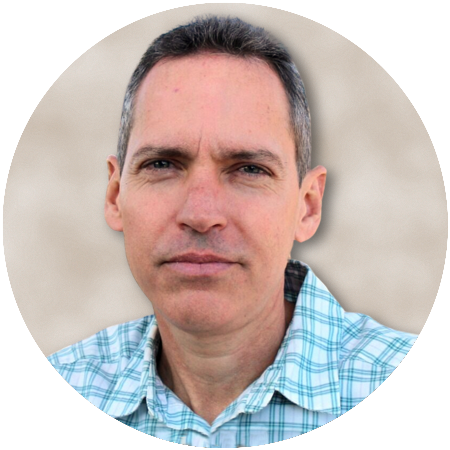
Dr. Gustavo Teixeira
University of Idaho
Dr. Gustavo Teixeira is an Assistant Professor and Potato Postharvest Physiologist at the University of Idaho’s Kimberly Research and Extension Center. He holds a bachelor’s degree in Agronomy from the Federal University of Lavras, Brazil, and earned both his master’s (2000) and Ph.D. (2005) from São Paulo State University (UNESP), with part of his studies conducted at the Department of Primary Industries in Queensland, Australia.
Dr. Teixeira has an extensive background in research and academia, having served as a Food Science Researcher at the Brazilian Ministry of Science and Technology (MCT), Semiarid National Institute (INSA), an Assistant Professor of Food Science and Nutrition at the University of São Paulo (USP), and an Associate Professor of Fruit Crops at UNESP. From 2017 to 2019, he completed a sabbatical at Virginia Tech in Blacksburg, Virginia. Currently, Dr. Teixeira focuses on innovative postharvest technologies to assist Idaho potato growers, processors, and shippers in reducing waste. His research explores advanced techniques, including the use of LED lighting to manage sprouting, near-infrared spectroscopy for predicting phytochemical content in specialty potatoes, temperature-dependent wound-healing metabolism, pressure bruise simulation and browning, and hyperspectral imaging.

Dr. Jacob Blauer
Washington State University
Dr. Jacob Blauer is an Assistant Professor of Horticulture at Washington State University with more than 20 years of experience spanning farm production, private industry, and academic research within the potato sector. Raised on a family farm and trained as a molecular plant scientist, his work focuses on potato physiology, postharvest management, stress resilience, and technology development to improve productivity and storage outcomes for growers and processors. Prior to joining WSU, he held leadership roles in research and development at J.R. Simplot Company and Forage Genetics International, where he led multi-state agronomic and breeding programs. Dr. Blauer is an active leader within the Potato Association of America and is committed to strengthening collaboration between researchers and industry partners while delivering practical, science-based solutions that support the long-term success of the potato industry.
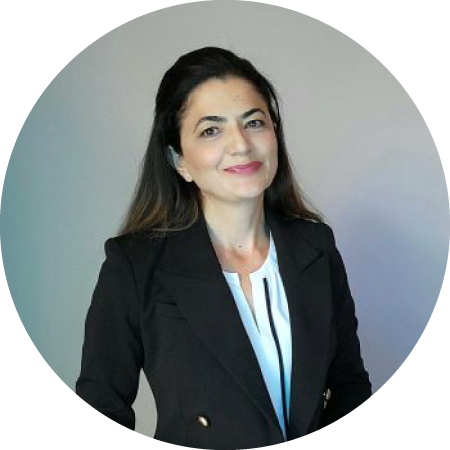
Dr. Munevver Dogramaci
USDA-ARS
Dr. Munevver Dogramaci is a Plant Research Physiologist with the USDA-ARS at the Edward T. Schafer Agricultural Research Center (ETSARC) in Fargo, ND. In 2000, she earned a Ph.D. in Natural and Applied Sciences through a collaborative program between USDA-ARS (Fargo, ND) and Çukurova University (Adana, Türkiye), which involved five years of research on the genetics and germplasm enhancement of wheat. Dr. Dogramaci conducted research as a post-doctoral fellow at North Dakota State University (2008–2010) and as a Research Molecular Biologist at the USDA-ARS in Fargo (2010–2017). During this time, her research focused on plant dormancy, using state-of-the-art methods to investigate seasonal phases of meristem dormancy and vegetative reproduction. In 2020, Dr. Dogramaci accepted a permanent position with the USDA-ARS in Fargo to study the post-harvest physiology of potatoes; she has served as the Lead Scientist of the potato research program at ETSARC since 2021. Her primary research objectives include refining the molecular mechanisms regulating potato tuber dormancy, sprout growth, wound healing, suberization, heat stress, and physiological aging. Dr. Dogramaci maintains active collaborations with potato stakeholders and researchers nationwide and looks forward to contributing to the Potato Association of America mission in any capacity.